
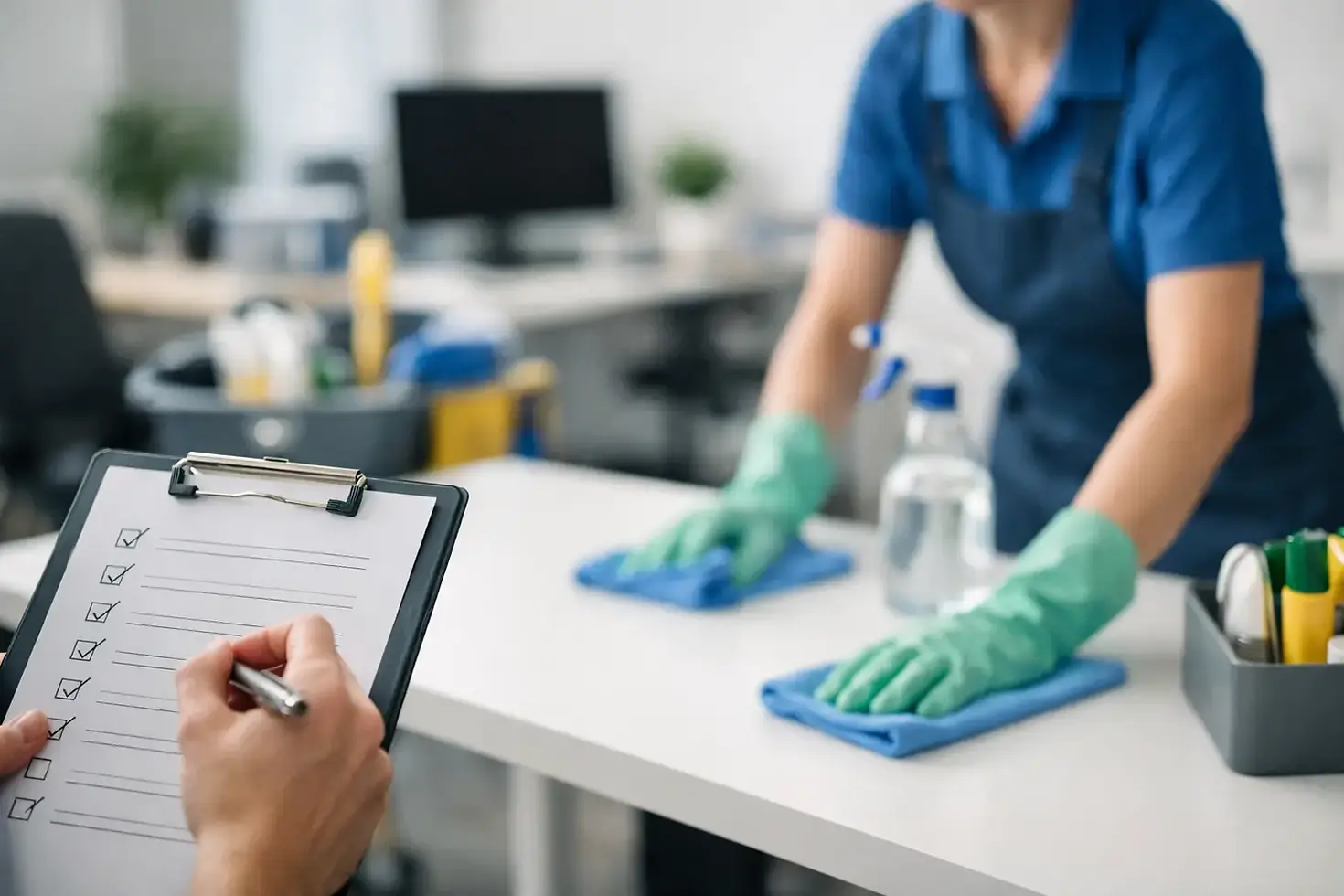
Monthly Office Cleaning Checklist That Works
A tidy office can look fine at first glance and still be quietly collecting dust, bacteria and clutter in all the places people stop noticing. That is why a proper monthly office cleaning checklist matters. Daily wiping and weekly vacuuming keep things presentable, but monthly cleaning is where standards are protected, wear is reduced and small hygiene issues are dealt with before they become bigger problems.
For office managers, business owners and facilities teams, the challenge is usually not knowing that cleaning matters. It is making sure nothing important gets missed. A monthly routine gives structure to the jobs that do not need doing every day but still need regular attention if the workplace is going to stay clean, professional and comfortable for staff and visitors.
What a monthly office cleaning checklist should cover
A useful checklist goes beyond visible dirt. It should include high-touch points, overlooked surfaces, shared facilities and the kinds of build-up that happen gradually over time. In many offices, the daily clean takes care of bins, floors, washrooms and kitchen basics. The monthly clean should then focus on deeper maintenance cleaning and detail work.
That might mean dust on top of cupboards, marks on internal glass, fingerprints on doors, grime around skirting boards or limescale starting to build in sinks and taps. These are the details that affect how clean a workplace feels, even if they are not always obvious on a busy weekday morning.
The exact scope depends on the size of the office, the number of staff, the layout and how heavily the space is used. A small office with five people will not need the same level of attention as a busy shared workspace with a kitchen, meeting rooms and customer-facing areas. The checklist should reflect real use, not just a generic template.
Monthly office cleaning checklist for key areas
Workstations and desks
Desks often get cleaned around rather than properly cleaned. A monthly check should include wiping desk surfaces fully, not just exposed corners, along with telephones, monitor stands, keyboard trays and chair arms. If staff clear their own desks at the end of the day, the result is usually much better.
This is also the right time to clean under desks, remove dust from cable areas and wipe skirting boards and nearby wall marks. Office chairs collect dust and crumbs more quickly than many people realise, especially in fabric seats. Spot cleaning or vacuuming them monthly helps keep them in better condition.
Meeting rooms and reception areas
These spaces shape first impressions, so monthly cleaning should be thorough. Tables, chair legs, presentation equipment, internal glass and door handles all deserve attention. Dust on screens, ledges and frames can make even a smart office feel neglected.
Reception furniture should be checked for marks and dust, especially on arms, legs and lower edges. If clients visit regularly, these areas may need deeper attention more than once a month. It depends on footfall and how closely the space reflects the business brand.
Kitchen and staff break areas
Office kitchens can stay superficially tidy while grease, crumbs and bacteria build up in less visible places. A monthly clean should include cupboard fronts, splashbacks, tiled areas, the outside of appliances, kettle and microwave surfaces, sink surrounds and any shelving.
It is also a sensible point to clean inside the microwave, wipe the fridge exterior and deal with any marks around bins or skirting. If the office uses the kitchen heavily, a monthly deep clean of touch points and food prep surfaces is not optional. It is part of keeping the space hygienic and pleasant for everyone.
Washrooms
Washrooms need daily attention, but monthly cleaning should go further. This is the time to deal with limescale, check around the bases of toilets, clean higher and lower surfaces properly, wipe vents and remove residue from tiles, pipework and dispensers.
A washroom can smell fresh and still be hiding build-up in corners, grout lines and hard-to-reach edges. Monthly detail cleaning helps prevent that gradual decline where a space feels less sanitary, even if it is technically being cleaned often.
Floors, edges and hard-to-reach areas
Monthly floor care should not stop at vacuuming or mopping. Edges, corners, under furniture and behind movable items usually need extra work. In carpeted offices, this may mean focused vacuuming along skirting boards and under desks. In hard floor areas, it may mean removing build-up from corners and paying attention to marks that routine mopping does not shift.
If flooring is taking heavy wear, occasional machine cleaning or specialist treatment may be worth considering. A checklist can flag when routine maintenance is no longer enough.
The often-missed tasks on a monthly office cleaning checklist
The areas that get missed tend to be the ones no one sees directly every day. High ledges, tops of cabinets, light switches, door frames, vents, blinds and internal partition glass are common examples. They do not always look dirty from a standing position, but once cleaned, the difference is clear.
Another common gap is touch point hygiene beyond the obvious. Most people think of door handles and toilet flushes, but shared printer controls, fridge handles, cupboard pulls, meeting room remotes and entry systems also collect regular contact. Monthly attention to these details supports a cleaner, healthier working environment.
There is also the issue of clutter. Cleaning standards often slip because cleaners are working around piles of paperwork, unused equipment or stored items in corners. A monthly checklist works best when it sits alongside a basic reset of the space. Not a major clear-out every time, just enough order for surfaces and floors to be properly reached.
How to make the checklist practical
A checklist only works if it matches the way the office actually runs. If it is too broad, it gets ignored. If it is too detailed without clear ownership, important tasks drift from one month to the next. The best approach is to break it down by area and agree what is included in routine cleaning and what is reserved for the monthly schedule.
It also helps to be realistic about timing. Some monthly tasks can be done during regular cleaning visits, while others are better carried out after hours or when fewer staff are present. Cleaning around a busy office day can limit what is possible, particularly in meeting rooms, kitchens and desk areas.
For some businesses, the monthly clean is handled by an internal team using a written schedule. For others, it is more reliable to build it into a professional cleaning plan. Neither approach is automatically better. It depends on available time, standards expected and whether the business wants staff focusing on cleaning tasks at all.
When monthly cleaning is not enough
Monthly cleaning is a solid baseline for many offices, but not every environment can rely on it for deeper hygiene and presentation. If your office has high daily footfall, lots of shared equipment, customer-facing rooms or busy washrooms, some monthly tasks may need moving to a weekly schedule.
The kitchen is often the clearest example. In a small office where people rarely cook, a monthly detailed clean may be enough alongside regular daily upkeep. In a larger workplace with frequent use, that same standard may need to happen far more often.
Seasonal factors matter as well. In winter, entrances and flooring may need more attention because of mud and moisture. In warmer months, windows, ventilation areas and dust can become more noticeable. A good checklist is consistent, but it is not rigid.
Why consistency matters more than occasional deep cleans
A one-off deep clean can improve an office quickly, but standards are easier to maintain when monthly tasks are done regularly. That is what stops the slow build-up of dust, staining and grime that makes a workplace feel tired before its time.
Consistent cleaning also supports a more professional atmosphere. Staff notice when shared spaces are looked after. Visitors notice when washrooms are clean, glass is clear and reception areas feel cared for. These details influence confidence in a business more than many people expect.
For businesses across Peterborough and surrounding areas, regular office cleaning works best when there is a clear plan behind it. At Incredible Housekeeping, that usually starts with understanding how the space is used, which areas carry the most wear and where a monthly checklist can support a dependable long-term routine rather than becoming another document no one follows.
A clean office does not need to feel over-managed or clinical. It just needs the right jobs done at the right time, with enough consistency that standards never slip quietly in the background.


Comments